
About the Conference
The 3rd International Conference on Public Health, Preventive and Emergency Medicine will be held on March 15–16, 2027, in Paris, France, bringing together renowned researchers, healthcare professionals, clinicians, academicians, policymakers, and industry experts from around the world.
EuroPublic Health 2027 provides a global platform to showcase cutting-edge research, exchange scientific knowledge, and discuss the latest innovations in public health, preventive medicine, emergency care, epidemiology, health promotion, disaster preparedness, and healthcare policy. The conference encourages interdisciplinary collaboration to address current and emerging global health challenges while promoting sustainable and resilient healthcare systems.
The scientific program features keynote sessions, plenary talks, oral and poster presentations, workshops, and networking opportunities, enabling participants to share experiences, build collaborations, and explore new research and professional opportunities.
Join us in Paris, France, for two days of insightful discussions, knowledge sharing, and global networking as we work together to advance public health, strengthen preventive strategies, and improve emergency medical care for communities worldwide.
Why to Attend?
Participating in Euro Public Health 2027 is an excellent opportunity to stay at the forefront of public health, preventive medicine, and emergency healthcare. Join leading public health experts, physicians, researchers, academicians, policymakers, and healthcare professionals from around the world to exchange knowledge, explore innovative solutions, and discuss evidence-based strategies for improving global health.
By attending, you will:
- Learn about the latest advancements in public health, preventive medicine, and emergency care.
- Present your research and gain international recognition.
- Network with global experts and establish valuable collaborations.
- Explore innovative approaches to disease prevention, health promotion, and emergency preparedness.
- Enhance your professional knowledge through keynote lectures, scientific sessions, and interactive discussions.
- Contribute to advancing resilient healthcare systems and improving population health worldwide.
Who Should Attend?
Euro Public Health 2027 welcomes a diverse community of professionals, researchers, and innovators, including:
- Public Health Professionals and Epidemiologists
- Preventive Medicine Specialists and Primary Care Physicians
- Emergency Physicians, Paramedics, and Critical Care Specialists
- Healthcare Professionals, Nurses, and Allied Health Experts
- Researchers, Academicians, Professors, and Students
- Health Policy Makers, Government Officials, and Public Health Administrators
- Environmental and Occupational Health Specialists
- Global Health Experts and Disaster Management Professionals
- NGOs, Non-Profit Organizations, and International Health Agencies
- Pharmaceutical, Medical Device, and Healthcare Industry Representatives
- Young Research Forum (YRF) Participants, Exhibitors, and Sponsors
Euro Public Health 2027 is the ideal platform for anyone committed to advancing public health, promoting disease prevention, strengthening emergency healthcare, and improving health outcomes through global collaboration and innovation.
Scientific Sessions and Tracks
Track 1: Public Health and Global Health
Public Health and Global Health focus on improving population health through disease prevention, health promotion, effective healthcare policies, and equitable access to quality healthcare services. This track explores emerging public health challenges, global disease trends, health systems strengthening, epidemiology, community health initiatives, and innovative strategies that enhance healthcare delivery and improve health outcomes across diverse populations. It provides a platform for researchers, clinicians, policymakers, and public health professionals to share evidence-based practices and collaborative solutions for building healthier and more resilient communities.
Keywords:
Public Health | Global Health | Population Health | Health Promotion | Disease Prevention | Epidemiology | Community Health | Health Equity | Universal Health Coverage | Public Health Policy
Track 2: Preventive Medicine and Health Promotion
Preventive Medicine and Health Promotion emphasize proactive approaches to reducing disease risk, promoting healthy lifestyles, and improving overall well-being. This track focuses on preventive healthcare strategies, health education, screening programs, vaccination, lifestyle interventions, and community-based initiatives that enhance quality of life and reduce the burden of chronic and infectious diseases.
Keywords:
Preventive Medicine | Health Promotion | Preventive Healthcare | Disease Prevention | Health Education | Lifestyle Medicine | Wellness Programs | Vaccination | Screening Programs
Track 3: Epidemiology and Disease Surveillance
This track explores the science of disease distribution, surveillance systems, outbreak investigation, and data-driven public health decision-making. It highlights advances in epidemiological research, disease monitoring, biostatistics, and surveillance technologies that support effective prevention and control of communicable and non-communicable diseases.
Keywords:
Epidemiology | Disease Surveillance | Outbreak Investigation | Public Health Surveillance | Biostatistics | Disease Monitoring | Infectious Disease Epidemiology | Chronic Disease Epidemiology | Health Data Analytics
Track 4: Infectious Diseases and Pandemic Preparedness
This track focuses on the prevention, diagnosis, treatment, and control of infectious diseases while strengthening preparedness for pandemics and emerging health threats. Discussions include surveillance, vaccination, antimicrobial resistance, outbreak management, and global strategies for enhancing health security and emergency preparedness.
Keywords:
Infectious Diseases | Pandemic Preparedness | Emerging Infections | Outbreak Response | Infection Prevention | Disease Control | Vaccination | Antimicrobial Resistance | Global Health Security
Track 5: Emergency Medicine and Trauma Care
This track highlights advances in emergency medicine, trauma management, critical care, and acute patient care. It covers emergency diagnostics, resuscitation, trauma systems, emergency surgical care, prehospital medicine, and innovations that improve patient outcomes in emergency settings.
Keywords:
Emergency Medicine | Trauma Care | Critical Care | Acute Care | Emergency Surgery | Resuscitation | Emergency Medical Services | Trauma Management | Prehospital Care | Emergency Diagnostics
Track 6: Disaster Medicine and Emergency Response
Disaster Medicine and Emergency Response focus on preparedness, disaster risk reduction, humanitarian response, and coordinated emergency healthcare during natural disasters, pandemics, and mass casualty incidents. This track promotes resilient healthcare systems and effective emergency planning.
Keywords:
Disaster Medicine | Emergency Response | Disaster Preparedness | Humanitarian Health | Mass Casualty Incidents | Disaster Risk Reduction | Crisis Management | Emergency Planning
Track 7: Primary Healthcare and Family Medicine
This track explores comprehensive primary healthcare services and family medicine practices that support disease prevention, early diagnosis, continuity of care, and patient-centered healthcare. It emphasizes integrated healthcare delivery and community-based medical practice.
Keywords:
Primary Healthcare | Family Medicine | Primary Care | Community-Based Care | Preventive Care | Chronic Disease Management | Patient-Centered Care | Integrated Healthcare | Family Practice | General Practice | Continuity of Care | Rural Healthcare | Health Screening
Track 8: Community Health and Population Health
Community Health and Population Health focus on improving health outcomes through community engagement, health promotion programs, social determinants of health, and evidence-based public health interventions. This track encourages collaborative strategies for healthier populations.
Keywords:
Community Health | Population Health | Public Health | Health Equity | Social Determinants of Health | Community Engagement | Health Promotion | Health Education | Population-Based Care
Track 9: Environmental and Occupational Health
This track addresses the impact of environmental and workplace factors on human health. Topics include environmental pollution, occupational safety, climate change, workplace wellness, toxicology, exposure assessment, and policies that promote healthier living and working environments.
Keywords:
Environmental Health | Occupational Health | Workplace Safety | Environmental Pollution | Climate Change and Health | Industrial Hygiene | Occupational Diseases | Air Quality | Water Quality | Toxicology | Exposure Assessment | Environmental Risk | Workplace Wellness | Occupational Safety
Track 10: Maternal, Child, and Adolescent Health
This track focuses on advancing healthcare for mothers, infants, children, and adolescents through evidence-based interventions, preventive care, and integrated healthcare services. Discussions will cover maternal and neonatal care, child nutrition, adolescent health, immunization, mental well-being, reproductive education, and strategies to reduce maternal and child mortality while improving long-term health outcomes. It also emphasizes health equity, early childhood development, school health programs, adolescent risk prevention, and innovative public health initiatives that ensure healthier future generations.
Keywords:
Maternal Health | Child Health | Adolescent Health | Neonatal Care | Pediatric Health | Maternal Mortality | Child Nutrition | Breastfeeding | Child Development | School Health
Track 11: Women's Health and Reproductive Health
This track explores comprehensive healthcare for women across all stages of life, emphasizing reproductive health, maternal care, gynecological disorders, fertility, menopause, and preventive screening. It also addresses reproductive rights, family planning, sexual health, maternal nutrition, and innovative approaches to improving women's healthcare through multidisciplinary collaboration, policy development, and community-based interventions that promote lifelong health and well-being.
Keywords:
Women's Health | Reproductive Health | Gynecology | Fertility | Family Planning | Maternal Care | Reproductive Medicine | Menopause | Cervical Cancer Screening | Breast Health
Track 12: Geriatric Health and Healthy Aging
This track highlights innovations in healthy aging, geriatric medicine, and elderly care. It focuses on preventing age-related diseases, improving functional independence, managing chronic conditions, promoting mental well-being, and enhancing quality of life through multidisciplinary healthcare approaches and age-friendly health systems. Topics also include rehabilitation, palliative care, healthy longevity, cognitive health, and strategies that support active and independent aging in rapidly growing elderly populations.
Keywords:
Geriatric Health | Healthy Aging | Elderly Care | Aging Population | Gerontology | Age-Related Diseases | Healthy Longevity | Dementia | Alzheimer's Disease | Frailty | Chronic Disease Management | Palliative Care
Track 13: Mental Health and Behavioral Medicine
Mental health is an essential component of overall well-being. This track explores advances in mental health promotion, behavioral medicine, psychiatric disorders, addiction, stress management, suicide prevention, and community mental healthcare. It also focuses on digital mental health, workplace well-being, resilience building, integrated behavioral healthcare, and innovative therapeutic approaches that improve psychological health across diverse populations.
Keywords:
Mental Health | Behavioral Medicine | Psychiatry | Psychology | Depression | Anxiety | Stress Management | Addiction Medicine | Suicide Prevention | Community Mental Health | Cognitive Behavioral Therapy
Track 14: Non-Communicable Diseases (NCDs)
This track focuses on the prevention, early detection, and management of non-communicable diseases that account for the majority of global morbidity and mortality. Sessions will discuss innovative research, public health strategies, policy development, digital health solutions, and multidisciplinary approaches to reduce the burden of cardiovascular diseases, diabetes, cancer, chronic respiratory diseases, and other long-term conditions while promoting healthier lifestyles and sustainable healthcare.
Keywords:
Non-Communicable Diseases | Cardiovascular Diseases | Diabetes | Cancer Prevention | Chronic Respiratory Diseases | Hypertension | Stroke | Obesity | Public Health | Lifestyle Diseases | Risk Factors
Track 15: Chronic Disease Prevention and Management
This track emphasizes innovative approaches for preventing and managing chronic diseases through lifestyle interventions, early diagnosis, patient-centered care, digital health, and multidisciplinary treatment strategies. It highlights integrated healthcare models, personalized medicine, rehabilitation, long-term disease monitoring, and community-based programs that improve patient outcomes, enhance quality of life, and reduce the economic burden of chronic illnesses.
Keywords:
Chronic Diseases | Disease Prevention | Chronic Care | Lifestyle Medicine | Diabetes Management | Hypertension | Cardiovascular Health | Cancer Prevention | Obesity Management | Patient-Centered Care
Track 16: Vaccination and Immunization Programs
This track explores advances in vaccine research, immunization strategies, public health vaccination campaigns, vaccine safety, and global immunization policies. It highlights the critical role of vaccination in preventing infectious diseases, improving population health, strengthening pandemic preparedness, increasing vaccine confidence, and expanding equitable access to immunization programs across all age groups.
Keywords:
Vaccination | Immunization | Vaccine Development | Immunology | Vaccine Safety | Public Health | Infectious Diseases | Immunization Programs | Childhood Vaccination | Adult Immunization | Pandemic Preparedness | Vaccine Policy | Disease Prevention
Track 17: Public Health Policy and Health Systems
This track examines healthcare policies, health governance, financing, leadership, and system strengthening to improve healthcare delivery and population health. Discussions will focus on evidence-based policymaking, universal health coverage, healthcare quality, workforce development, digital transformation, healthcare financing, and resilient health systems capable of responding effectively to current and future public health challenges.
Keywords:
Public Health Policy | Health Systems | Health Governance | Universal Health Coverage | Healthcare Management | Health Economics | Healthcare Financing | Policy Development | Health Services Research
Track 18: Health Equity and Social Determinants of Health
This track addresses the factors influencing health disparities and inequities across populations. It explores the impact of socioeconomic status, education, employment, housing, environmental conditions, culture, and healthcare accessibility on health outcomes. The track promotes innovative policies and collaborative strategies that foster inclusive, equitable, and people-centered healthcare systems worldwide.
Keywords:
Health Equity | Social Determinants of Health | Healthcare Access | Health Disparities | Population Health | Public Health | Community Health | Social Justice | Health Inclusion | Health Promotion
Track 19: Digital Health and Telemedicine
This track explores how digital technologies are transforming healthcare delivery through telemedicine, mobile health, wearable devices, electronic health records, remote patient monitoring, and digital public health solutions. It highlights emerging innovations such as virtual healthcare, connected health systems, digital diagnostics, and AI-enabled healthcare technologies that improve accessibility, efficiency, and patient-centered care.
Keywords:
Digital Health | Telemedicine | eHealth | mHealth | Remote Patient Monitoring | Electronic Health Records | Healthcare Technology | Digital Healthcare | Telehealth | Artificial Intelligence | Wearable Devices
Track 20: Artificial Intelligence in Public Health
Artificial Intelligence is revolutionizing public health through predictive analytics, disease surveillance, clinical decision support, precision medicine, and healthcare automation. This track highlights AI-driven innovations for outbreak prediction, health data analytics, medical imaging, resource optimization, personalized healthcare, and decision-making systems that improve healthcare efficiency, public health planning, and patient outcomes.
Keywords:
Artificial Intelligence | AI in Healthcare | Public Health Analytics | Machine Learning | Predictive Analytics | Big Data | Health Informatics | Precision Public Health | Clinical Decision Support
Market Analysis Report
Public Health, Preventive and Emergency Medicine Market Outlook
The global Public Health, Preventive and Emergency Medicine sector is experiencing substantial growth, driven by increasing investments in healthcare infrastructure, rising awareness of disease prevention, technological innovations, digital health adoption, and strengthened emergency preparedness following recent global health challenges. Governments, healthcare organizations, and research institutions continue to prioritize preventive healthcare strategies and resilient emergency response systems to improve population health and reduce healthcare costs.
The integration of artificial intelligence, telemedicine, predictive analytics, electronic health records, and digital surveillance systems is transforming public health practice and emergency medical services. In addition, increasing incidences of chronic diseases, infectious disease outbreaks, aging populations, climate-related health emergencies, and expanding healthcare access continue to create significant opportunities for innovation and global collaboration.
Market Highlights
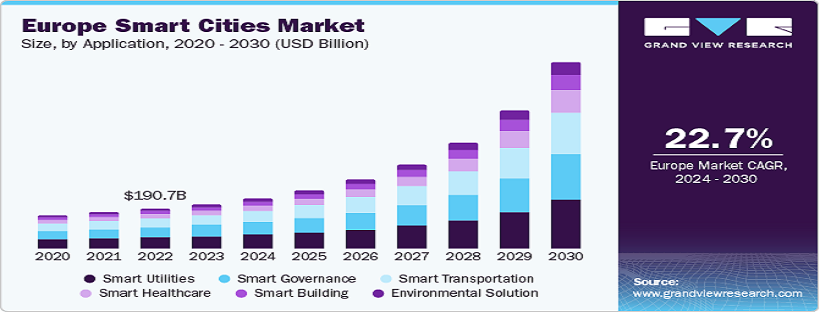
- The global Public Health market is projected to exceed USD 8.5 trillion by 2027, with healthcare systems placing greater emphasis on prevention, health promotion, and population health management.
- The Preventive Healthcare Technologies and Services market is expected to reach approximately USD 470 billion by 2027, growing at a CAGR of 10.2%.
- The Emergency Medical Services (EMS) market is forecast to reach around USD 72 billion by 2027, registering a CAGR of 7.8%.
- The Digital Public Health and Population Health Management market is anticipated to surpass USD 65 billion by 2027, expanding at a CAGR of 16.5%.
- The Telemedicine market, a key component supporting preventive and emergency healthcare, is expected to exceed USD 285 billion by 2027, with a CAGR of approximately 24.8%.
- The Artificial Intelligence in Healthcare market is projected to reach nearly USD 67 billion by 2027, growing at a CAGR of 38.5%.
Future Outlook
By 2027, public health, preventive medicine, and emergency healthcare are expected to become increasingly integrated through artificial intelligence, precision public health, real-time disease surveillance, digital diagnostics, and coordinated emergency response systems. Continued global investment in healthcare resilience, prevention, and innovation will support sustainable improvements in population health and strengthen preparedness for future public health challenges.