
Speakers
Nooshin Bagherani
IranTitle: A review of applications of tea tree oil in dermatology
Abstract:
Tea tree oil (TTO) is an essential oil, steam-distilled from the Australian native plant, Melaleuca alternifolia. It has a minimum content of terpinen-4-ol and a maximum content of 1, 8-cineole. Terpinen-4-ol is a major TTO component which exhibits strong antimicrobial and anti-inflammatory properties. Tea tree oil exerts antioxidant activity and has been reported to have broad-spectrum antimicrobial activity against bacterial, viral, fungal, and protozoal infections affecting skin and mucosa. Several studies have suggested the uses of TTO for the treatment of acne vulgaris, seborrheic dermatitis, and chronic gingivitis. It also accelerates the wound healing process and exhibits anti-skin cancer activity. This review opens up new horizons for dermatologists in the use of this herbal agent.
Biography:
Dr. Nooshin Bagherani is an Iranian dermatologist, independent researcher, and medical author with research interests spanning dermatology, cosmetology, venereology, dermatologic therapy, pigmentary disorders, and orofacial surgery. She completed her general medical education at Arak University of Medical Sciences in 2003 and her dermatology training at Ahvaz Jundishapur University of Medical Sciences in 2010. She also holds a Bachelor of Law and a Master of International Law
Amir Feily
IranTitle: Skin Wound Healing and Phytomedicine
Abstract:
Skin integrity is restored by a physiological process aimed at repairing the damaged tissues. The healing process proceeds in four phases: hemostasis, inflammation, proliferation and remodeling. Phytomedicine presents remedies, which possess significant pharmacological effects. It is popular amongst the general population in regions all over the world. Phytotherapeutic agents have been largely used for cutaneous wound healing. These include Aloe vera, mimosa, grape vine, Echinacea, chamomile, ginseng, green tea, jojoba, tea tree oil, rosemary, lemon, soybean, comfrey, papaya, oat, garlic, ginkgo, olive oil and ocimum. Phytotherapy may open new avenues for therapeutic intervention on cutaneous wounds. This article provides a review of the common beneficial medicinal plants in the management of skin wounds with an attempt to explain their mechanisms.
Biography:
Dr. Amir Feily is an Iranian dermatologist and medical researcher associated with the Skin and Stem Cell Research Center of Tehran University of Medical Sciences and the Department of Dermatology at Jahrom University of Medical Sciences.
Evangeline B. Handog
PhilippinesTitle: International Journal of Dermatology
Abstract:
Melasma is a common acquired disorder of pigmentation characterized by symmetrical brown to gray-brown facial pigmentation. This randomized, double-blind, placebo-controlled study investigated the effectiveness of oral procyanidin combined with vitamins A, C, and E in Filipino women with melasma. The study evaluated changes in pigmentation and clinical response following treatment. The findings provided evidence regarding the potential role of antioxidant supplementation as an adjunctive approach in the management of melasma, particularly in individuals with darker skin types. The research contributes to the understanding of nutritional and antioxidant strategies in pigmentary disorders and highlights the importance of evidence-based approaches to cosmetic dermatology
Biography:
Dr. Evangeline B. Handog is a prominent Filipino dermatologist specializing in cosmetic and pigmentary dermatology. She served as Chair of the Department of Dermatology at Asian Hospital and Medical Center from 2008 to 2017 and remains an active consultant there.

Mario Bernardo-Filho
BrazilTitle: Radiofrequency treatment induces fibroblast growth factor 2 expression and subsequently promotes neocollagenesis and neoangiogenesis in the skin tissue
Abstract:
Radiofrequency (RF) is a non-invasive technology widely used in aesthetic dermatology for skin rejuvenation. This study investigated the effects of RF treatment on skin tissue and its role in stimulating collagen production and new blood vessel formation. The findings showed that RF treatment increased fibroblast growth factor 2 expression and promoted processes associated with neocollagenesis and neoangiogenesis. These effects may contribute to improved skin firmness, texture, and overall appearance. The study supports the potential use of radiofrequency as an effective technology for non-invasive skin rejuvenation and aesthetic treatments.
Biography:
Prof. Mario Bernardo-Filho, PhD, is a Brazilian biomedical researcher and Professor Emeritus/retired Full Professor at Rio de Janeiro State University (UERJ). His expertise spans biophysics, biomedicine, physiotherapy, biomedical technologies, radiopharmaceuticals, mechanical vibration and integrative health practices. With extensive research and international scientific experience, he brings an interdisciplinary perspective to emerging technologies and innovative approaches relevant to dermatology, cosmetology and aesthetic health
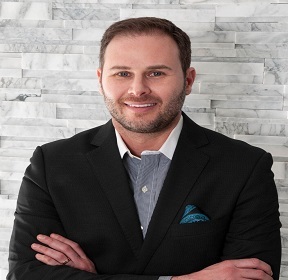
Title: LipoLift: An Introduction to a Neurovascular-Sparing Breast Lift and Reduction Technique
Abstract:
LipoLift is an innovative cosmetic surgical technique developed to provide a less-invasive option for breast lifting and reduction. The technique aims to reduce breast size while preserving more of the natural blood supply and nerve connections. Compared with traditional breast reduction procedures, LipoLift focuses on minimizing tissue disruption and maintaining important anatomical structures. This approach may support improved healing, sensation, and aesthetic outcomes. The technique represents an advancement in aesthetic and plastic surgery and highlights the growing role of minimally invasive approaches in cosmetic procedures.
Biography:
Dr. Jaime S. Schwartz is a board-certified plastic surgeon and Fellow of the American College of Surgeons (FACS) based in Beverly Hills, California. He is internationally recognized for his work in advanced aesthetic and reconstructive plastic surgery, particularly breast and body surgery.
Keynote Forum
Evgeniya Shelemba
Abu DhabiTitle: Safety and Efficacy of an Injectable Solution Enriched With Sodium Hyaluronate, Amino Acids, and Peptides in Relation to Superficial Facial Connective Tissues
Abstract:
Skin aging is associated with reduced hydration, elasticity, and collagen density, leading to facial sagging and loss of skin quality. This study evaluated the safety and effectiveness of an injectable solution containing sodium hyaluronate, amino acids, and peptides for improving facial skin quality. Twenty-eight women aged 25–65 years received four monthly treatment sessions. Skin hydration, elasticity, thickness, and collagen density were assessed using objective measurement techniques. The treatment produced improvements in skin hydration, elasticity, and collagen density, with positive aesthetic outcomes reported by participants. The findings suggest that injectable solutions containing hyaluronic acid, amino acids, and peptides may be useful for facial rejuvenation and improving the overall quality and appearance of aging skin.
Biography:
Dr. Evgeniya Shelemba is a dermatologist and aesthetic-medicine specialist with an MD and PhD. She completed her clinical residency in Dermatovenereology at the P.L. Shupyk National Medical Academy of Postgraduate Education in Kyiv, Ukraine, from 2012–2014. Her doctoral research focused on optimizing the management of melasma and facial hyperpigmentation in patients with different skin phototypes.
Speakers
Clemens Esche
USATitle: Acne Scar Reduction: What Is New?
Abstract:
Acne scars are a common complication of acne and can have a significant impact on skin appearance and self-confidence. Different types of acne scars require different treatment approaches. Modern dermatology provides several effective options, including laser therapy, microneedling, chemical peels, subcision, dermal fillers, and combination treatments. Proper assessment of scar type, severity, and skin characteristics is important for selecting the most appropriate treatment. Recent advances in aesthetic dermatology have improved the safety and effectiveness of acne scar management. Combining different treatment techniques may provide better skin texture, smoother appearance, and improved patient satisfaction.
Biography:
Dr. Clemens Esche is a Johns Hopkins-trained, board-certified dermatologist. He completed his dermatology training at Johns Hopkins and subsequently held faculty/assistant professor appointments at the University of Pittsburgh, Mayo Clinic, and Johns Hopkins University