

About the City
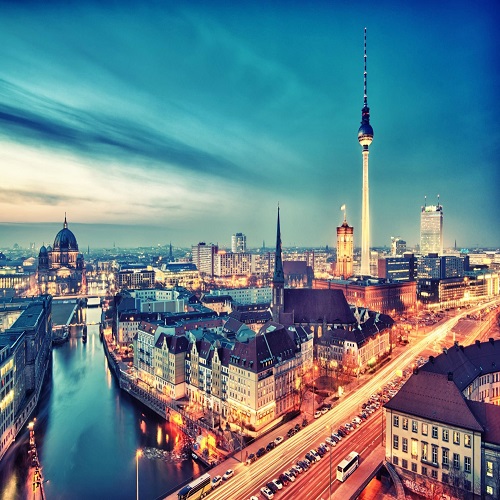
Berlin, the capital of Germany, is a vibrant metropolis that blends rich history with modern innovation. Known for its iconic landmarks such as the Brandenburg Gate, Berlin Wall Memorial, and Museum Island, the city offers a unique cultural and historical experience. Berlin is a global hub for politics, science, technology, and arts, hosting numerous universities, research institutions, and international corporations. The city is celebrated for its diverse culinary scene, world-class theaters, music festivals, and contemporary art galleries, making it an attractive destination for professionals, academics, and tourists alike. With its excellent public transport, modern infrastructure, and a cosmopolitan atmosphere, Berlin provides an ideal environment for hosting international conferences, fostering academic collaboration, and encouraging cultural exchange.
Tourism in Berlin, Germany
Tourism in Berlin, Germany, is a major contributor to the city’s economy, attracting millions of visitors each year with its rich history and vibrant culture. In 2024, Berlin welcomed approximately 12.7 million tourists, generating over 30.6 million overnight stays, showing a strong recovery toward pre-pandemic levels (compared to about 14 million visitors and 34 million overnight stays in 2019). Around 42% of visitors were international tourists, with major arrivals from the UK, USA, Netherlands, Italy, and Spain. The city’s iconic attractions—such as the Brandenburg Gate, Berlin Wall Memorial, Reichstag building, and Museum Island—along with its festivals, museums, nightlife, and green spaces, make Berlin one of Europe’s most popular city-break destinations, supported by excellent public transport and a wide range of accommodation options.