About Conference:
The International Conference on Nursing, Anesthesia, and Palliative Care 2026, provides an ideal platform for healthcare professionals, researchers, academicians, clinicians, and allied health specialists to explore the latest advancements, innovations, and ongoing research in nursing, anesthesia, and palliative care emphasizes the integration of clinical expertise, compassionate care, and innovative practices. Our objective is to deliver a comprehensive program that spans the full spectrum of research, clinical practice, and technological advancements in these critical healthcare disciplines.
The conference also emphasizes the importance of networking and collaboration. Attendees will have the opportunity to build lasting professional relationships, foster partnerships, and exchange knowledge with experts from around the globe.
We cordially invite you to join us in Berlin, Germany, on August 27-28, 2026, to contribute, learn, and share experiences in a forum designed to advance compassion, precision, and excellence in healthcare.
WHY TO ATTEND?
- Learn from Leaders: Gain insights from internationally recognized experts and pioneers in nursing, anesthesia, and palliative care, who are shaping the future of healthcare.
- Cutting-Edge Knowledge: Explore the latest research, clinical innovations, and evidence-based practices that are transforming patient care across diverse healthcare settings.
- Networking Opportunities: Connect with peers, researchers, and industry leaders to build long-lasting professional relationships, collaborations, and partnerships.
- Research Showcase: Present your work and receive feedback from global experts, fostering knowledge exchange and contributing to the advancement of your field.
- Professional Development: Enhance your skills and competencies through interactive workshops, hands-on sessions, and case-based discussions.
- Global Perspectives: Learn from international experiences and best practices, gaining insights into diverse approaches to nursing, anesthesia, and palliative care.
- Interdisciplinary Collaboration: Engage with professionals from multiple disciplines, promoting teamwork and holistic approaches to patient care.
- Career Advancement: Gain recognition for your research, clinical contributions, and innovative ideas, strengthening your professional profile.
- Innovation and Technology Exposure: Discover the latest medical technologies, tools, and solutions that are shaping modern healthcare delivery.
- Inspiring Environment: Participate in an engaging conference experience in Berlin, Germany, a city known for its culture, innovation, and world-class conference facilities.
WHO SHOULD ATTEND?
The International Conference on Nursing, Anesthesia, and Palliative Care 2026, is designed for a diverse audience of healthcare professionals, researchers, educators, and industry stakeholders, including:
- Registered Nurses, Nurse Practitioners, and Clinical Nurse Specialists
- Anesthesiologists and Anesthesia Practitioners
- Palliative Care Specialists and Hospice Care Professionals
- Physicians, Surgeons, and Clinicians across various specialties
- Healthcare Researchers, Academicians, and Educators
- Allied Health Professionals (e.g., Physiotherapists, Occupational Therapists, Speech Therapists)
- Hospital Administrators, Healthcare Managers, and Quality Improvement Officer
- Medical and Nursing Students seeking advanced learning opportunities
- Pharmaceutical, Biotechnology, and Medical Device Industry Professionals
- Policy Makers, Public Health Officials, and Healthcare Strategists
- Clinical Trainers and Simulation Educators
KEY HIGHLIGHTS:
- Keynote Addresses delivered by internationally acclaimed experts
- Plenary and Technical Sessions focusing on advanced research, therapeutic innovations, and emerging trends
- Oral Presentations showcasing ground breaking scientific findings
- Poster Sessions featuring contributions from early-career researchers, clinicians, and students
- Panel Discussions & Expert Forums on critical challenges, clinical practices, and future directions
- Workshops & Skill-Building Sessions offering hands-on training and professional development
- Strategic Networking Opportunities connecting academia, biotechnology, and pharmaceutical professionals
- Collaborative Roundtables fostering interdisciplinary partnerships and knowledge exchange
- Exhibition & Industry Showcases presenting the latest technologies, products, and services in healthcare
- Recognition & Awards honoring outstanding research, innovation, and contributions to the field
VISA ASSISTANCE:
- Cover Letter or Invitation Letter: Official confirmation of your invitation to participate in the event, required to support your visa application.
- Abstract Acceptance Letter: Verification that your submitted abstract has been formally accepted for presentation, essential for visa processing.
- Accommodation Letter (if booked): Proof of confirmed hotel or event accommodation, supporting your visa application requirements.
PARTICIPATION BENEFITS:
- Speakers: Speakers have the opportunity to present advanced research, clinical findings, or innovative insights in nursing, anesthesia, and palliative care to a global audience.
- Delegates: Delegates gain access to the latest evidence-based practices, clinical innovations, and healthcare strategies across nursing, anesthesia, and palliative care. They can participate in plenary sessions, workshops, and interactive forums, gaining knowledge that can be directly applied in clinical settings.
- Exhibitors: Exhibitors can showcase nursing technologies, clinical tools, healthcare products, and innovative services to a targeted international audience. They gain direct engagement with clinicians, educators, and decision-makers, and receive opportunities to form collaborations with hospitals, research institutions, and academic organizations
- Sponsors & Partners: Sponsors and partners gain strategic exposure before, during, and after the conference. They can highlight their contributions to healthcare, nursing education, and clinical innovations, demonstrate thought leadership, and strengthen relationships with key stakeholders.
- Students & Early-Career Researchers: Students and early-career researchers can present their findings through oral or poster presentations, gaining valuable feedback and mentorship from established professionals. Participation enhances learning through workshops, skill-building sessions, and exposure to the latest research
- Clinicians & Healthcare Providers: Clinicians benefit from exposure to cutting-edge clinical practices, patient care innovations, and interdisciplinary approaches to nursing, anesthesia, and palliative care. Sessions focus on practical solutions, patient safety, pain management, and end-of-life care strategies.
- Nursing Educators & Academicians: Educators and academic professionals can gain insights into modern teaching methodologies, curriculum development, and innovative educational tools.
- Policy Makers & Regulatory Professionals: Policy makers and regulatory professionals gain insights into evolving healthcare standards, clinical guidelines, and regulatory challenges in nursing and palliative care.
- All Participants: All attendees benefit from collaborative discussions, interdisciplinary learning, and access to conference materials, presentations, and session recordings.
SESSION AND TRACKS:
Track 1: Advanced Nursing Practice & Clinical Excellence
This track emphasizes the development of advanced clinical skills, innovative nursing interventions, and evidence-based practice. Discussions include patient-centered care models, clinical decision-making, and strategies to enhance healthcare outcomes. Case studies and real-world applications demonstrate how advanced nursing practices improve quality and safety.
Key Topics: Evidence-Based Nursing | Clinical Best Practices | Patient Safety | Quality Improvement | Advanced Nursing Interventions | Clinical Competency | Professional Development | Nursing Leadership | Global Nursing | Health Policy | International Standards | Public Health Initiatives | Cross-Cultural Care | Sustainable Nursing Practices
Track 2: Palliative & End-of-Life Care
Focused on holistic care, this track explores approaches to managing pain and symptoms, addressing emotional, spiritual, and psychosocial needs of patients and families. Ethical dilemmas, end-of-life decision-making, and integrating palliative care into clinical practice are highlighted. Participants learn strategies to improve patient comfort and quality of life.
Key Topics: Pain & Symptom Management | Hospital Care | Ethical Issues | Patient & Family Support | Holistic Care | End-of-Life Planning | Quality of Life | Nursing Leadership | Healthcare Management | Strategic Planning | Policy Implementation | Staff Development | Change Management |
Track 3: Nursing Education & Workforce Development
This session examines innovative teaching strategies, curriculum design, and professional development for nurses. Topics include simulation-based learning, competency assessment, mentorship programs, and strategies for addressing global nursing workforce challenges.
Key Topics: Nursing Curriculum | Faculty Development | Simulation & Training | Continuing Education | Workforce Planning | Mentorship | Teaching Methodologies | Therapeutic Nursing | Innovative Treatments | Chronic Disease Care | Clinical Protocols | Nursing Procedures | Evidence-Based Interventions |
Track 4: Critical Care & Emergency Nursing
Covers management of critically ill patients, trauma care, and emergency interventions. Focus is on advanced life support, rapid decision-making, and innovations in ICU care, including patient monitoring, ventilator management, and critical care protocols.
Key Topics: ICU Nursing | Emergency Care | Trauma Management | Critical Care Protocols | Life-Saving Interventions | Patient Monitoring | Team-Based Care | Interprofessional Collaboration | Care Coordination | Integrated Health Systems | Communication Strategies | ICU Nursing |
Track 5: Pediatric & Neonatal Nursing
Highlights care for infants, children, and adolescents, with special focus on neonatal intensive care, pediatric chronic conditions, vaccination, and family-centered care approaches. Strategies for improving pediatric outcomes and developmental care are emphasized.
Key Topics: Pediatric Care | Neonatal ICU | Chronic Pediatric Conditions | Growth & Development | Family-Centered Care | Pediatric Pain Management | Safety Protocols | Risk Assessment | Infection Control | Quality Metrics | Clinical Governance | Incident Reporting |
Track 6: Geriatric & Adult Nursing
Focuses on healthcare for older adults, managing chronic diseases, dementia, fall prevention, and palliative care needs. Tracks innovative care models and strategies for enhancing independence, safety, and quality of life in aging populations.
Key Topics: Elderly Care | Chronic Disease Management | Dementia Care | Fall Prevention | Geriatric Nursing Assessment | Palliative Needs | Nursing Research | Evidence-Based Interventions | Clinical Trials | Data Analysis | Research Dissemination | Translational Nursing |
Track 7: Nursing Informatics & Digital Health
Explores the integration of technology into nursing practice, including electronic health records, telehealth, artificial intelligence, and digital monitoring. Emphasizes how data-driven solutions improve patient outcomes, workflow efficiency, and decision-making.
Key Topics: Digital Health | Nursing Informatics | AI in Healthcare | Telemedicine | Data-Driven Care | Health Technology Integration | Pain Assessment | Pain Interventions | Opioid Management | Alternative Therapies | Palliative Pain Control | Patient-Centered Strategies |
Track 8: Anesthesia & Perioperative Nursing
This track addresses the nursing care of surgical patients, including preoperative assessment, intraoperative monitoring, anesthesia safety, and postoperative recovery. Focus on pain management, patient safety, and perioperative nursing innovations.
Key Topics: Perioperative Care | Anesthesia Nursing | Pain Management | Surgical Safety | Postoperative Recovery | Patient Monitoring | Community Health | Preventive Nursing | Health Promotion | Epidemiology | Vaccination Programs | Health Education |
Track 9: Oncology Nursing & Cancer Care
Focuses on comprehensive cancer care, including symptom management, chemotherapy, radiation support, survivorship care, and patient counseling. Discusses multidisciplinary approaches and integrating palliative care into oncology nursing.
Key Topics: Cancer Nursing | Chemotherapy Care | Symptom Management | Oncology Palliative Care | Patient Education | Survivorship | Psychiatric Nursing | Mental Health Care | Counseling Techniques | Stress Management | Psychosocial Support |
Track 10: Mental Health & Psychiatric Nursing
Covers nursing care for mental health and psychiatric disorders, psychosocial interventions, counseling, and behavioral therapies. Focuses on improving patient outcomes and reducing stigma in healthcare.
Key Topics: Psychiatric Nursing | Mental Health Care | Counseling Techniques | Stress Management | Psychosocial Support | Behavioral Health | Cancer Nursing | Chemotherapy Care | Symptom Management | Oncology Palliative Care | Patient Education | Survivorship
Track 11: Community & Public Health Nursing
Highlights nursing roles in population health, preventive care, vaccination programs, health education, and community interventions. Focus on strategies for improving public health outcomes and reducing health disparities.
Key Topics: Community Health | Preventive Nursing | Health Promotion | Epidemiology | Vaccination Programs | Health Education | Perioperative Care | Anesthesia Nursing | Pain Management | Surgical Safety | Postoperative Recovery | Patient Monitoring |
Track 12: Pain Management & Symptom Control
Focuses on effective approaches to managing acute, chronic, and cancer-related pain. Includes pharmacologic and non-pharmacologic methods, patient education, and innovative interventions.
Key Topics: Pain Assessment | Pain Interventions | Opioid Management | Alternative Therapies | Palliative Pain Control | Patient-Centered Strategies | Digital Health | Nursing Informatics | AI in Healthcare | Telemedicine | Data-Driven Care | Health Technology Integration
Track 13: Evidence-Based Practice & Nursing Research
Explores research methods, clinical trials, and translating evidence into practice. Encourages innovation, data analysis, and implementing evidence-based interventions to improve patient care.
Key Topics: Nursing Research | Evidence-Based Interventions | Clinical Trials | Data Analysis | Research Dissemination | Translational Nursing | Elderly Care | Chronic Disease Management | Dementia Care | Fall Prevention | Geriatric Nursing Assessment | Palliative Needs |
Track 14: Patient Safety & Risk Management
Focuses on strategies to minimize medical errors, enhance patient safety, and implement effective risk management protocols. Includes infection control, quality metrics, and healthcare audits.
Key Topics: Safety Protocols | Risk Assessment | Infection Control | Quality Metrics | Clinical Governance | Incident Reporting | Pediatric Care | Neonatal ICU | Chronic Pediatric Conditions | Growth & Development | Family-Centered Care | Pediatric Pain Management
Track 15: Interdisciplinary & Collaborative Care
Highlights collaborative models between nurses, physicians, therapists, and other healthcare professionals. Focuses on improving communication, care coordination, and patient-centered outcomes.
Key Topics: Team-Based Care | Interprofessional Collaboration | Care Coordination | Integrated Health Systems | Communication Strategies | ICU Nursing | Emergency Care | Trauma Management | Critical Care Protocols | Life-Saving Interventions | Patient Monitoring
Track 16: Advanced Therapeutics & Nursing Interventions
Covers innovative treatments, novel therapies, and advanced nursing interventions in chronic and acute conditions. Includes clinical protocols, patient monitoring, and specialized care techniques.
Key Topics: Therapeutic Nursing | Innovative Treatments | Chronic Disease Care | Clinical Protocols | Nursing Procedures | Evidence-Based Interventions | Nursing Curriculum | Faculty Development | Simulation & Training | Continuing Education | Workforce Planning | Mentorship | Teaching Methodologies
Track 17: Nursing Leadership & Management
Explores leadership, healthcare management, policy development, and strategies for optimizing nursing teams. Emphasizes decision-making, team building, and driving organizational change.
Key Topics: Nursing Leadership | Healthcare Management | Strategic Planning | Policy Implementation | Staff Development | Change Management | Evidence-Based Nursing | Clinical Best Practices | Patient Safety | Quality Improvement | Advanced Nursing Interventions | Clinical Competency |
Track 18: Global Health & Policy in Nursing
Focuses on international nursing practices, global health challenges, and healthcare policy development. Encourages cross-cultural care, sustainable practices, and collaboration for improved patient outcomes worldwide.
Key Topics: Global Nursing | Health Policy | International Standards | Public Health Initiatives | Cross-Cultural Care | Sustainable Nursing Practices | Pain & Symptom Management | Hospital Care | Ethical Issues | Patient & Family Support | Holistic Care | End-of-Life Planning | Quality of Life |
MARKET ANALYSIS REPORT:
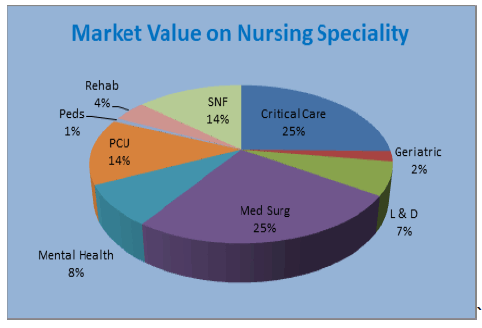
The global nursing and healthcare services market is experiencing significant growth, driven by rising demand for skilled nursing professionals, aging populations, and the increasing complexity of patient care needs. The global nursing services market was valued at approximately USD 1.22 trillion in 2024 and is projected to grow toward USD 1.65 trillion by 2029 at a compound annual growth rate (CAGR) of around 6.2 %. This expansion reflects increased investments in advanced nursing practice, chronic disease management, digital health integration, and interdisciplinary care—factors that are central themes at leading nursing conferences worldwide. Supporting this growth, the global nursing workforce reached around 29.8 million nurses in 2023, with ongoing efforts to reduce a global shortage that stood at roughly 5.8 million nurses in 2023 and is expected to shrink further by 2030, highlighting the profession’s critical role in healthcare delivery across regions.
Past conference report 2024
In 2024, several prominent nursing conferences recorded strong global participation and academic output. The 12th World Congress on Nursing & Health Care in Valencia, Spain, hosted delegates from over 20 countries, featuring keynote lectures, oral and poster presentations, and panel discussions focused on clinical care, education, and healthcare policy. The Royal College of Nursing (RCN) Education Forum Annual Conference saw 449 delegates and a 28% increase in abstract submissions, highlighting the growing interest in nursing education and faculty development. Additionally, the 5th International Conference on Nursing and Women’s Healthcare in Bangkok, Thailand, emphasized maternal health, women’s healthcare, and community nursing interventions, engaging researchers and clinicians in knowledge sharing and international collaboration.
Past Conference Report 2025
In 2025, global nursing conferences continued to expand their impact and reach. The ICN 125th Anniversary Conference in Bucharest attracted 600+ participants and focused on nursing investment, workforce planning, leadership, and digital health initiatives. The International Conference on Nursing and Healthcare in India hosted 398 delegates, including students, PhD scholars, and faculty, featuring 39 e-paper presentations and continuing education workshops. The ICN Conference & Impact Hub in Helsinki, Finland, brought together international nursing leaders to discuss nurse-led innovation, leadership development, and global healthcare strategies, further strengthening professional collaboration and knowledge dissemination.