
Speakers
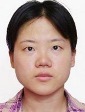
yanzhen wan
ChinaTitle: Severe Anemia Observed in a Chinese Patient with COVID-19 and Plasmodium Falciparum Malaria Co-Infection
Abstract:
Background: COVID-19 and malaria share some similar symptoms such as fever, difficulty in breathing, fatigue, and headaches of acute onset. With overlapping symptoms and travel history significant for COVID-19 and malaria, healthcare systems and professionals will face a great challenge in the case of COVID-19 and malaria co-infection.
Methods: Here we presented a patient with COVID-19 infection and refractory anemia of unknown reason. A diagnostic test for malaria was later performed.
Results: The patient was ultimately diagnosed with COVID-19 and plasmodium falciparum malaria co-infection. He recovered gradually after receiving anti-malaria treatment.
Conclusions: The present case highlights the danger of focusing only on a diagnosis of COVID-19, reminding clinicians to be vigilant about the possibility of co-infections.
Biography:
Yanzhen Wan is affiliated with the Clinical Laboratory at Women and Children’s Hospital, Qingdao University, China. Her research interests include clinical laboratory medicine and disease-related laboratory investigations. Her recent research includes work on B-cell acute lymphoblastic leukemia and bone marrow involvement, contributing to research in hematological malignancies.

C Cameron Yin
USATitle: p53 Immunohistochemistry Is a Reliable Method for Assessing TP53 Allelic and Functional Status in TP53 Mutated Cases
Abstract:
TP53 alterations play an important role in the development, classification, and prognostication of myeloid neoplasms. Earlierstudies of myelodysplastic neoplasms (MDS) have shown that biallelic TP53 alterations, rather than monoallelic mutations,are associated with complex karyotypes and poor outcomes [1].These observations are consistent with the primary role of TP53as a tumor suppressor gene, which often requires loss of hetero-zygosity (LOH) for complete functional inactivation. Currently,establishment of biallelic TP53 alteration status is based on: (1)a TP53 mutation + TP53 copy loss or copy- neutral LOH; or (2)more than one TP53 mutation; or (3) one TP53 mutation with a variant allele frequency (VAF) of ≥ 50%
Biography:
C Cameron Yin has received her MD from Beijing Medical University and her PhD from the University of Wisconsin-Madison. She is currently an Associate Professor in the Department of Hematopathology at the University of Texas MD Anderson Cancer Center. In addition to clinical responsibilities on the Leukemia, Lymphoma and Molecular Diagnostic services, she has been actively participating in multiple research projects in the molecular genetic abnormalities in leukemia and lymphoma which has led to over 100 research papers and over 20 book chapters.

Androulla Eleftheriou
CyprusTitle: A Scoring System for the Assessment of Quality of Care in the Management of Transfusion Dependent Thalassemia
Abstract:
To identify criteria which can be used locally to assess the quality of care for thalassaemia patients, leading to quality improvement measures. In low-resource settings, there is often minimal support for services, and the investigations used in patient monitoring are very basic. In order to select standards which can serve quality assessment, consideration is given to what is available in most centres. Importance is given to the need for the local service provider to self-assess the quality of care according to evidence-based minimal standards. Methods: A search in the recent literature was performed to identify measures of quality care in thalassaemia, selecting those which can be used in resource-poor settings. They are then compared to the standards listed in internationally accepted guidelines. Results: Twelve criteria were selected based on the routine information recorded by most centres. These include the following: clinical criteria: mean age (excluding paediatric clinics), pre-transfusion Hb < 9 g/dL, serum ferritin, MRI availability, heart iron (where available) >20 ms, LIC (where available) <3 mg/kg dw, LIC > 15 mg/kg dw, combination chelation within the last year, and BMI < 18.5 kg/m2. Social criteria (for adults): completed tertiary education, married/cohabiting, and employed full or part-time. Each is assigned a score with a total range from 0 to 10. Conclusions: Annual scoring according to achievements allows service providers to compare with previous years and conclude which of the basic services need to be further upgraded to achieve quality improvement. Scoring also allows for comparison with standards published in international guidelines. The clear aim is to aim for higher scores each year, indicating better patient outcomes.
Biography:
Androulla Eleftheriou is affiliated with the Thalassaemia International Federation in Nicosia, Cyprus. Her work focuses on thalassemia, haemoglobinopathies and related public health and clinical challenges. She has contributed to research and guidance addressing genetic counselling, screening, prevention and management of thalassemia and other inherited blood disorders.

Olivier E. Pardo
United KingdomTitle: New research to mimic how osteosarcoma cells travel through the bloodstream
Abstract:
Treatment for osteosarcoma typically includes both surgery and chemotherapy, with the aim of removing the tumour and any remaining cancer cells. However, in some cases, the cancer can spread (metastasise) to other parts of the body — making it much harder to treat and reducing chances of survival.
Researchers at Imperial College London, led by Dr Olivier Pardo, are investigating how osteosarcoma cells travel through the bloodstream to reach distant organs.
The cells, known as circulating tumour cells (CTCs), travel from the original tumour and can go undetected by the body's immune system. To study them, Dr Pardo and his team are using an innovative new device that mimics the conditions these cells face as they travel through the blood vessels. This will allow them to closely monitor how the cells change in response to these conditions to survive.
By comparing the behaviour of the travelling cells to those that remain in the original tumour, the team hope to identify critical adaptations that allow the cells to survive and eventually spread.
Biography:
Olivier E. Pardo graduated from the Faculty of Pharmacy Paris-V, France where he was awarded a Doctorate in Industrial Pharmacy (1997). He then completed his PhD in Biochemistry and Molecular Biology at Imperial College-London (2002). He obtained post-doctoral experience in the laboratory of Prof. Julian Downward at the CRUK-London Research Institute where he worked on the regulation of apoptotic cell death and cell migration. In 2006, he created the Cellular Regulatory Networks lab at Imperial College, Department of Surgery and Cancer. His team focuses on understanding the molecular mechanisms underlying chemo-resistance and metastasis in lung and other cancers.
Speakers
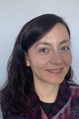
Title: Cytosolic Ribosomal Protein Haploinsufficiency affects Mitochondrial Morphology and Respiration
Abstract:
The interplay between ribosomal protein (RP) composition and mitochondrial function is essential for energy homeostasis. Balanced RP production optimizes protein synthesis while minimizing energy costs, but its impact on mitochondrial functionality remains unclear. Here, we investigated haploinsufficiency for RP genes (rps-10, rpl-5, rpl-33, and rps-23) in Caenorhabditis elegans and corresponding reductions in human lymphoblast cells. Significant mitochondrial morphological differences, upregulation of glutathione transferases, and SKN-1–dependent oxidative stress resistance were observed across mutants. Loss of a Datasingle rps-10 copy reduced mitochondrial activity, energy levels, and oxygen consumption, mirrored by similar reductions in mitochondrial activity and energy levels in lymphoblast cells with 50% lower RPS10 transcripts. Both systems exhibited altered translation efficiency (TE) of mitochondrial electron transport chain components, suggesting a conserved mechanism to adjust mitochondrial protein synthesis under ribosomal stress. Finally, mitochondrial membrane and cytosolic RPs showed significant RNA and TE covariation in lymphoblastoid cells, highlighting the interplay between protein synthesis machinery and mitochondrial energy production.
Biography:
Elif Sarinay Cenik received her BS in Molecular Biology and Genetics from Bilkent University in Turkey, followed by her PhD in Biochemistry and Molecular Pharmacology at the University of Massachusetts Medical School under the tutelage of Dr. Phillip D. Zamore. She then completed postdoctoral training with Nobelist Dr. Andrew Z. Fire in Genetics and Pathology at Stanford University.