
The 13th World Congress on Heart and Cardiovascular Diseases, taking place on August 27–28, 2027, in Berlin, Germany, is an international platform dedicated to advancing cardiovascular science, clinical practice, and patient care. Under the theme “Innovating Cardiovascular Care for Healthier Hearts Worldwide,” the congress will bring together cardiologists, cardiovascular researchers, physicians, healthcare professionals, academicians, and industry representatives to exchange knowledge, present research, discuss emerging therapies, and explore innovative approaches to cardiovascular prevention, diagnosis, and treatment.
Who Should Attend?
- Cardiologists and cardiovascular specialists
- Cardiac and cardiovascular surgeons
- Physicians and healthcare professionals
- Cardiovascular researchers and scientists
- Interventional cardiologists
- Electrophysiologists
- Hypertension and vascular specialists
- Nurses and allied healthcare professionals
- Academicians, professors, and students
- Pharmaceutical and biotechnology professionals
- Medical device and healthcare technology companies
- Hospital administrators and healthcare policymakers
- Representatives of professional societies and associations
Why Should Attend?
- Gain insights into emerging developments in cardiovascular medicine.
- Learn about innovative approaches to heart disease prevention, diagnosis, and treatment.
- Present research, clinical findings, and professional experiences.
- Exchange ideas with international cardiovascular experts.
- Explore advances in cardiovascular technologies and therapies.
- Build academic, clinical, and industry connections.
- Participate in scientific discussions, presentations, and interactive sessions.
- Discover potential research and collaboration opportunities.
- Strengthen professional knowledge and expand your international network.
Key Features
- Expert Scientific Sessions covering major areas of cardiovascular medicine
- Keynote & Invited Presentations from experienced professionals
- Oral & Poster Presentations for researchers and healthcare professionals
- Interactive Panel Discussions on current cardiovascular challenges
- Research & Innovation Sessions highlighting emerging developments
- Networking Opportunities with global professionals
- Young Researchers & Student Participation
- Industry Perspectives on cardiovascular technologies and solutions
- Academic Collaboration Opportunities
- Knowledge Exchange across clinical, research, and healthcare disciplines
Scientific Sessions & Tracks
Track 1: Cardiovascular Disease Prevention and Risk Management
This track focuses on strategies for preventing cardiovascular diseases through early risk assessment, lifestyle modification, screening, and evidence-based interventions. Discussions will address major modifiable and non-modifiable cardiovascular risk factors and approaches to improving population heart health.
Key Words: Cardiovascular Prevention | Risk Assessment | Lifestyle Modification | Preventive Cardiology | Health Screening | Risk Factor Management | Public Health | Heart Health Promotion
Track 2: Coronary Artery Disease and Ischemic Heart Disease
This track explores current approaches to the prevention, diagnosis, and management of coronary artery disease and myocardial ischemia. Participants will discuss advances in medical therapy, intervention, and long-term patient management.
Key Words: Coronary Artery Disease | Ischemic Heart Disease | Myocardial Ischemia | Angina | Myocardial Infarction | Coronary Intervention | Anti-Ischemic Therapy | Cardiac Risk
Track 3: Interventional Cardiology and Catheter-Based Therapies
This track highlights advances in minimally invasive cardiovascular procedures and catheter-based interventions. It will examine evolving techniques for coronary, structural, and vascular heart conditions.
Key Words: Interventional Cardiology | Cardiac Catheterization | Angioplasty | Stent Technology | Percutaneous Intervention | Structural Heart Intervention | Catheter-Based Therapy | Vascular Procedures
Track 4: Heart Failure and Cardiomyopathies
This track addresses contemporary approaches to the diagnosis, classification, treatment, and long-term management of heart failure and cardiomyopathies. Emerging therapies and multidisciplinary models of care will also be explored.
Key Words: Heart Failure | Cardiomyopathy | Reduced Ejection Fraction | Preserved Ejection Fraction | Cardiac Remodeling | Heart Failure Therapy | Advanced Heart Failure | Patient Management
Track 5: Cardiac Electrophysiology and Arrhythmias
This track focuses on electrical disorders of the heart, including mechanisms, diagnosis, monitoring, and treatment of cardiac arrhythmias. Participants will explore advances in electrophysiological procedures and rhythm management.
Key Words: Cardiac Electrophysiology | Arrhythmias | Atrial Fibrillation | Ventricular Arrhythmias | Heart Rhythm | Electrophysiology Study | Rhythm Management | Ablation Therapy
Track 6: Cardiac Surgery and Cardiovascular Surgical Innovations
This track examines developments in surgical treatment for cardiovascular diseases, including coronary, valvular, aortic, and complex cardiac conditions. Innovative surgical techniques and perioperative strategies will be discussed.
Key Words: Cardiac Surgery | Coronary Bypass | Valve Surgery | Aortic Surgery | Minimally Invasive Surgery | Surgical Innovation | Cardiothoracic Surgery | Perioperative Care
Track 7: Hypertension and Vascular Medicine
This track explores contemporary strategies for preventing, diagnosing, and managing hypertension and related vascular disorders. Emphasis will be placed on cardiovascular risk reduction and improved blood pressure control.
Key Words: Hypertension | Blood Pressure Management | Resistant Hypertension | Vascular Medicine | Hypertensive Disorders | Arterial Health | Cardiovascular Risk | Antihypertensive Therapy
Track 8: Preventive Cardiology and Lifestyle Medicine
This track examines the role of nutrition, physical activity, weight management, sleep, and behavioral interventions in cardiovascular disease prevention. Evidence-based lifestyle strategies for long-term heart health will be discussed.
Key Words: Preventive Cardiology | Lifestyle Medicine | Nutrition | Physical Activity | Weight Management | Sleep Health | Behavioral Medicine | Cardiovascular Wellness
Track 9: Pediatric and Congenital Heart Diseases
This track focuses on congenital and acquired cardiovascular conditions affecting children and young people. Participants will explore advances in diagnosis, intervention, surgery, and lifelong management of congenital heart disease.
Key Words: Pediatric Cardiology | Congenital Heart Disease | Childhood Heart Disorders | Fetal Cardiology | Pediatric Intervention | Congenital Surgery | Childhood Arrhythmias | Lifelong Cardiac Care
Track 10: Cardiovascular Imaging and Diagnostic Technologies
This track highlights advances in non-invasive and invasive cardiovascular imaging used for diagnosis, risk assessment, and treatment planning. New imaging technologies and precision diagnostic approaches will be examined.
Key Words: Cardiac Imaging | Echocardiography | Cardiac MRI | Cardiac CT | Nuclear Cardiology | Vascular Imaging | Diagnostic Cardiology | Imaging Technology
Track 11: Valvular Heart Disease and Structural Heart Disorders
This track addresses the evaluation and treatment of valvular and structural heart diseases. Discussions will include evolving surgical and transcatheter approaches for complex structural cardiovascular conditions.
Key Words: Valvular Heart Disease | Aortic Valve Disease | Mitral Valve Disease | Structural Heart Disease | Transcatheter Valve Therapy | Valve Repair | Valve Replacement | Structural Intervention
Track 12: Cardiovascular Diseases and Diabetes
This track explores the complex relationship between diabetes and cardiovascular health, including mechanisms, risk factors, prevention, and integrated management strategies.
Key Words: Diabetes | Cardiovascular Risk | Diabetic Cardiomyopathy | Glycemic Control | Metabolic Syndrome | Vascular Complications | Cardio-Metabolic Health | Diabetes Management
Track 13: Obesity, Metabolic Syndrome and Cardiovascular Health
This track examines the cardiovascular consequences of obesity and metabolic disorders and explores integrated strategies for reducing associated heart disease risks.
Key Words: Obesity | Metabolic Syndrome | Insulin Resistance | Dyslipidemia | Cardiometabolic Risk | Weight Management | Metabolic Health | Cardiovascular Prevention
Track 14: Lipid Disorders and Atherosclerosis
This track focuses on lipid abnormalities, atherosclerotic disease, and contemporary approaches to lipid management. Participants will explore emerging strategies for reducing cardiovascular events.
Key Words: Dyslipidemia | Hypercholesterolemia | Atherosclerosis | LDL Cholesterol | Lipid Management | Statin Therapy | Cardiovascular Risk Reduction | Lipoproteins
Track 15: Cardiovascular Critical Care and Emergency Cardiology
This track addresses the management of acute and life-threatening cardiovascular conditions requiring rapid diagnosis and intensive care. It will highlight emergency interventions and critical care strategies.
Key Words: Cardiac Emergency | Cardiovascular Critical Care | Cardiogenic Shock | Cardiac Arrest | Acute Coronary Syndrome | Intensive Care | Resuscitation | Emergency Cardiology
Track 16: Cardio-Oncology and Cardiovascular Complications of Cancer Therapy
This track explores cardiovascular complications associated with cancer and its treatments. Participants will discuss monitoring, prevention, early detection, and management of treatment-related cardiovascular effects.
Key Words: Cardio-Oncology | Cancer Therapy | Cardiotoxicity | Chemotherapy | Immunotherapy | Radiation Therapy | Cardiac Monitoring | Cancer Survivorship
Track 17: Women’s Cardiovascular Health
This track examines cardiovascular diseases across different stages of women’s lives, including pregnancy-related cardiovascular conditions and sex-specific cardiovascular risk factors.
Key Words: Women’s Heart Health | Pregnancy and Heart Disease | Cardiovascular Risk | Menopause | Hormonal Factors | Maternal Cardiology | Women’s Cardiology | Sex-Specific Medicine
Track 18: Digital Cardiology, Artificial Intelligence and Remote Monitoring
This track explores the growing role of digital technologies, artificial intelligence, wearable devices, and remote monitoring in cardiovascular prevention, diagnosis, and patient care.
Key Words: Digital Cardiology | Artificial Intelligence | Machine Learning | Wearable Devices | Remote Monitoring | Telecardiology | Digital Biomarkers | Health Data Analytics
Track 19: Regenerative Medicine and Emerging Cardiovascular Therapies
This track examines innovative approaches aimed at repairing or restoring damaged cardiac tissue and improving cardiovascular outcomes. Emerging biological and therapeutic strategies will be discussed.
Key Words: Regenerative Medicine | Stem Cell Therapy | Tissue Engineering | Cardiac Regeneration | Gene Therapy | Cell Therapy | Biological Therapies | Translational Cardiology
Track 20: Future of Cardiovascular Medicine and Precision Cardiology
This track explores emerging directions in cardiovascular medicine, with emphasis on personalized treatment, advanced diagnostics, precision medicine, and multidisciplinary approaches to improving patient outcomes.
Key Words: Precision Cardiology | Personalized Medicine | Genomics | Biomarkers | Advanced Therapeutics | Clinical Innovation | Personalized Risk Assessment | Future Cardiology
Visa Assistance
Participants traveling to Berlin may require a Schengen visa, depending on their nationality and travel circumstances. Registered participants can receive an official conference invitation letter to support their visa application and related travel documentation, subject to the conference's registration requirements. Participants are responsible for submitting their visa applications and meeting the requirements of the relevant German authorities. Early application is recommended to allow sufficient processing time.
Market Analysis
The global cardiovascular information system market size was valued at USD 1.1 billion in 2022 and is projected to grow from USD 1.5 billion in 2026 to USD 2.2 billion by 2030, at a CAGR of 9.3% from 2023 to 2030. North America dominated the market, accounting for a revenue share of 31.8% in 2022. The increasing number of challenges associated with cardiovascular care, including managing large amounts of data, data retrieval, and maintaining patient history records, is creating the need for advanced systems, such as Electronic Health Record (EHR), which would facilitate data analysis. The swift growth of the global cardiovascular devices industry is mainly attributed to the escalating global count of patients suffering from cardiovascular diseases and disorders, coupled with the rising demand for productive data management tools in cardiac care departments.
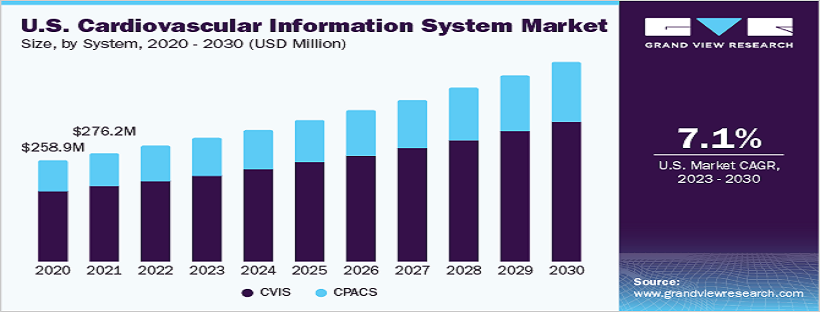
A cardiovascular information system uses a software-based system to gather clinical data. These systems are created to satisfy the needs of clinical researchers, physicians, nurses, and chemists. They offer several features that support managing clinical workflow and data integration. These features of the cardiovascular information system make it ideal for usage. The introduction of technologically advanced products and the rising trend of telemedicine are expected to boost market growth. CVIS enables cardiac surgeons and hospital administrators to work more efficiently than with traditional data management techniques.
Past Conference Reports
Critical care and Emergency Medicine 2020
We gratefully thank all our wonderful Speakers and Delegates for making the Critical care and Emergency Medicine 2020 webinar successful.
International Webinar on Critical Care and Emergency Medicine, hosted by the Longdom Conference was held during June22, 2020 at London, UK based on the theme “New Research And Developments In Critical care and Emergency Medicine".
The webinar was initiated with the honourable presence of the below speakers. The list includes:
- Abdel Rahman Tawfik, Mohammed Bin Rashid University, UAE.
- Rumana Omar, University College London, London.
- Vahitha Abdul Salam, Queen Mary University of London, London
- Evangelia Michail Michailidou, Greece.
- Manda Venkatramana, Gulf Medical University, UAE.
- Critical care and Emergency Medicine 2020
We gratefully thank all our wonderful Speakers and Delegates for making the Critical care and Emergency Medicine 2020 webinar successful.
2nd International Webinar on Critical Care and Emergency Medicine, hosted by the Longdom Conference was held during August 27, 2020 at London, UK based on the theme “New Research And Developments In Critical care and Emergency Medicine".
The webinar was initiated with the honourable presence of the below speakers. The list includes:
- Adeniyi Aderonke, Larner College of Medicine, USA.
- Rumana Omar, University College London, UK.
- Vahitha Abdul Salam, Queen Mary University of London, UK.
- Sean Davidson, University College London, UK.
- Manda Venkatramana, Gulf Medical University, UAE.
Interventional Cardiology 2021
We gratefully thank all our wonderful Speakers and Delegates for making the Interventional Cardiology 2021 webinar successful.
International Webinar on Interventional Cardiology, hosted by the Longdom Conference was held during May 24, 2021 at London, UK based on the theme “Latest Techniques and Strategies in Interventional Cardiology".
The webinar was initiated with the honourable presence of the below speakers. The list includes:
- Saleem Ahmed, University of Pittsburgh, USA.
- Rosa M Mendizabal-Espinosa, University College London, UK.
- Vahitha Abdul Salam, Queen Mary University of London, UK.
- Evangelia Michail Michailidou, University of Macedonia, UK.