
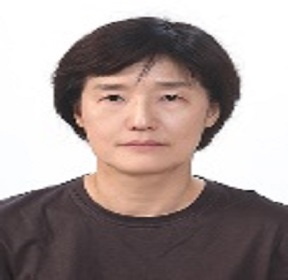
Hee-Suk Chae
South KoreaTitle: Unfertilized Eggs secrets Serum Albumin to Facilitate Fertilization
Abstract:
Background: Fertilization is a complex, multi-step process in which a sperm from a male meets an ovum from a female to form a zygote. After sperm is deposited in the vagina, it undergoes capacitation, a process that involves the activation of ATP enzymes in the cytosol and the destabilization of the acrosome membrane. Current understanding of fertilization is largely based on observed morphological and biochemical changes in sperm and eggs, studied using microscopic techniques, as well as cellular and biochemical analyses. Our study aimed to determine whether the egg may release molecules that guide or assist sperm in the fertile Eggs isolated from female C57BL/6J mice were incubated in DMEM for 24 hours at 37 °C with 5% CO₂. Participants/materials, setting, methods: After incubation, the DMEM medium, following the removal of eggs, was analyzed to identify molecules secreted by the eggs.
Main results and the role of chance: Using GC-MS/MS, LC-MS/MS, and SDS-PAGE followed by Edman sequencing, we identified that unfertilized eggs incubated in DMEM produced a single molecule: serum albumin. The addition of albumin to in vitro fertilization (IVF) solutions resulted in a dose-dependent increase in fertilization rates, indicating its direct stimulatory effect on sperm-egg interaction. Interestingly, removing lipid impurities from serum albumin further enhanced fertilization rates from 76% to 95%, suggesting that lipids interfere with fertilization processes. Moreover, dose-dependent experiments revealed distinct roles of lipids in fertilization. The inclusion of free fatty acids with serum albumin in IVF solutions had an inhibitory effect on fertilization, while triglycerides acted as stimulants.
Biography:
Hee-Suk Chae is a Head Professor and Associate Professor in the Department of Obstetrics & Gynecology at Jeonbuk National University Medical School, South Korea. She holds an M.D./Ph.D. in Obstetrics & Gynecology from Jeonbuk National University, where she also completed his M.M.Sc. and M.B. degrees. Her research focuses on reproductive endocrinology, particularly the roles of matrix metalloproteinases and microRNAs in endometriosis. Dr. Chae has published extensively in peer-reviewed journals and has contributed to advancing knowledge in her field through both clinical practice and research, including a research fellowship at New York Medical College. She is currently involved in managing the Department of Obstetrics & Gynecology at Jeonbuk National University Hospital.